Global demand for quality pulses continues to grow as consumers, food manufacturers, and wholesalers seek nutritious, affordable, and versatile ingredients. Whether supplying supermarkets, food processing companies, restaurants, or retail brands, consistent quality and dependable sourcing make a noticeable difference in long-term business success.
Choosing the right Pulses Supplier is about much more than finding a competitive price. Product quality, processing standards, documentation, packaging, logistics, and communication all influence the success of every shipment. A reliable sourcing partner helps reduce delays, maintain product consistency, and build confidence across the entire supply chain.
This guide explains everything buyers should know before importing pulses, from selecting the right products and evaluating quality standards to understanding logistics, documentation, and supplier relationships that support steady business growth.
Why Imported Pulses Continue to See Strong Demand
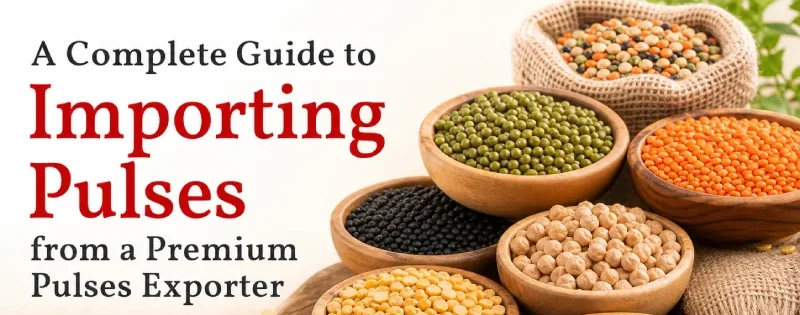
Pulses have become an essential part of diets across many regions because they offer an excellent balance of nutrition, affordability, and versatility. Chickpeas, lentils, green peas, pigeon peas, kidney beans, black-eyed beans, and other varieties are used in household kitchens, food manufacturing, ready-to-cook products, and institutional catering.
Many countries cannot produce enough pulses to meet domestic demand throughout the year. Seasonal variations, weather conditions, and changing agricultural output often create supply gaps. Importing allows distributors and food companies to maintain stable inventories regardless of local harvest cycles.
Working with an experienced Pulses Exporter ensures buyers receive products that meet international quality expectations while arriving on schedule with complete export documentation.
What Defines a Premium Supplier?
Every exporter can offer products, but only a few consistently deliver the level of reliability required for international trade.
A premium supplier invests in sourcing quality crops directly from trusted farming communities and maintains strict quality control throughout cleaning, grading, sorting, packing, and shipping. Modern processing facilities help reduce impurities while preserving product quality from harvest to delivery.
Reliable suppliers also understand international regulations. They prepare accurate export documents, maintain clear communication throughout the shipment process, and provide timely updates that help importers plan inventory with confidence.
Consistency often becomes the biggest advantage. Businesses that receive the same quality across multiple shipments spend less time handling complaints, product returns, or unexpected quality variations.
Choosing the Right Pulse Varieties for Your Market
Every market has different buying preferences, making product selection an important part of the importing process.
Understand Consumer Demand
Retail markets may prefer packaged lentils, chickpeas, and yellow peas, while food processors often purchase bulk quantities for further processing. Restaurants and institutional buyers usually prioritize consistency in size, cooking performance, and appearance.
Studying local consumption trends before placing an order helps businesses avoid slow-moving inventory while improving stock turnover.
Consider Processing Requirements
Some buyers require machine-cleaned products with minimal foreign matter, while others need polished or color-sorted varieties. Food manufacturers may also request specific moisture levels or size grades depending on their production requirements.
Discussing these specifications early prevents misunderstandings after production has already started.
Match Packaging to Distribution Channels
Packaging plays a significant role in preserving product quality during international transportation.
Bulk shipments commonly use woven polypropylene bags suitable for wholesale distribution, while branded retail packaging requires customized printing, barcode labeling, nutritional information, and attractive designs that meet local regulations.
Selecting the right packaging from the beginning simplifies distribution after arrival.
Quality Standards Every Importer Should Evaluate
Quality inspection begins long before containers leave the exporting country.
Professional suppliers examine harvested crops for cleanliness, moisture content, broken grains, damaged kernels, discoloration, insect activity, and foreign materials. Modern sorting equipment removes impurities that could affect customer satisfaction or food safety.
Laboratory testing may also verify quality parameters depending on destination market requirements.
Importers should always request detailed product specifications before confirming an order. These specifications generally include moisture percentage, purity level, grain size, admixture limits, crop year, origin, packaging details, and inspection standards.
Samples provide another layer of confidence. Reviewing physical samples before large purchases allows buyers to evaluate appearance, uniformity, cooking characteristics, and overall quality.
When product expectations are clearly documented, both parties reduce the possibility of disputes after delivery.
Documents Required for International Pulse Imports
Successful international trade depends on accurate paperwork just as much as product quality.
Commercial invoices describe the transaction value, while packing lists provide shipment details, including bag counts and weights. Bills of lading confirm transportation arrangements and ownership during shipping.
Many countries also require certificates of origin, phytosanitary certificates, fumigation certificates, and quality inspection reports before customs clearance.
Import regulations differ from one country to another, making it important to understand destination-specific requirements before placing an order.
Experienced exporters stay updated on changing regulations and prepare documentation carefully to prevent unnecessary customs delays.
Understanding Shipping and Logistics
Ocean freight remains the preferred transportation method for bulk pulse shipments because it balances cost efficiency with capacity.
Container loading requires careful planning to protect cargo from moisture, contamination, and physical damage during long transit periods. Proper bag stacking, moisture protection, and container inspection all contribute to maintaining product quality until arrival.
Transit times vary depending on shipping routes, port congestion, and customs procedures.
Regular communication throughout transportation helps buyers coordinate warehouse space, inland transportation, and inventory planning before containers reach the destination port.
Working with logistics partners who specialize in agricultural commodities often reduces unexpected complications during international shipments.
Building a Long-Term Relationship with Your Supplier
Successful import businesses rarely depend on one-time purchases.
Long-term partnerships create better communication, improved planning, and stronger confidence between buyers and suppliers. Suppliers become familiar with quality expectations, preferred packaging, seasonal demand patterns, and documentation requirements.
As trust develops, production schedules become more predictable, helping buyers secure inventory during periods of increased global demand.
Stable business relationships also simplify negotiations for future contracts because both parties already understand each other’s operational standards.
Transparency remains one of the most valuable qualities in international trade. Honest communication regarding crop availability, shipment schedules, or market fluctuations helps both sides make informed business decisions.
Factors That Influence Pulse Prices
International pulse prices rarely remain constant throughout the year.
Harvest seasons in producing countries significantly affect supply levels. Strong harvests typically increase availability, while poor weather conditions may reduce production and increase prices.
Currency exchange rates also influence international transactions, especially when contracts are negotiated in U.S. dollars.
Freight costs, fuel prices, port charges, government policies, and global demand can all contribute to price fluctuations.
Rather than focusing only on the lowest quotation, buyers should evaluate total landed cost, which includes transportation, customs duties, documentation expenses, insurance, warehousing, and potential quality risks.
A slightly higher purchase price from a dependable supplier often results in lower operational costs over the long term.
Sustainability Is Becoming an Important Buying Factor
Many international buyers now evaluate suppliers beyond product quality alone.
Responsible sourcing practices, efficient processing methods, reduced waste, and ethical business operations increasingly influence purchasing decisions across food industries worldwide.
Suppliers that work closely with farming communities often contribute to better agricultural practices while supporting consistent crop quality.
Traceability also continues to gain importance. Buyers appreciate knowing where products originated and how they were processed before export.
Businesses that prioritize responsible sourcing strengthen their reputation among distributors, retailers, and consumers who value transparency in food supply chains.
Common Mistakes First-Time Importers Should Avoid
Many new importers focus almost entirely on price while overlooking quality specifications and supplier credibility.
Another common mistake involves skipping product samples. Even detailed specifications cannot replace physically examining the product before placing a significant order.
Incomplete documentation may create customs delays that increase storage charges and disrupt inventory planning.
Failing to clarify payment terms, shipment schedules, inspection procedures, and packaging specifications before production begins can also create unnecessary misunderstandings.
Taking time to establish clear expectations at every stage helps prevent costly surprises later.
Choosing the Right Partner for Long-Term Growth
International trade depends on consistency as much as competitive pricing.
Businesses should evaluate suppliers based on processing capabilities, export experience, communication quality, certifications, production capacity, packaging flexibility, logistics support, and customer service.
References from existing international buyers often provide valuable insights into overall reliability.
Factory audits, virtual facility tours, and third-party inspections can further strengthen purchasing confidence before establishing a long-term sourcing agreement.
A dependable export partner becomes an extension of the buyer’s business rather than simply another vendor.
Importing quality pulses successfully begins with selecting the right Pulses Supplier and building a relationship based on consistency, transparency, and dependable service. Every stage from sourcing and quality inspection to documentation, shipping, and after-sales support plays a role in delivering products that meet customer expectations and strengthen your business.
Choosing an experienced Pulses Exporter allows importers to reduce operational risks, maintain consistent inventory, and serve customers with confidence in competitive international markets. Careful supplier evaluation today creates a stronger supply chain that supports steady growth for years to come.