Bulk purchases of agricultural commodities leave very little room for mistakes. A single shipment with uneven quality, excess moisture, or poor grading can affect production schedules, customer satisfaction, and profitability. That is why experienced importers spend as much time evaluating suppliers as they do negotiating prices.
Selecting high-quality Green Mung Beans is about much more than appearance. Buyers need to understand grading standards, cleaning processes, storage conditions, packaging quality, and export compliance before placing large-volume orders. Working with a dependable Premium Pulses Exporter also helps reduce the risks associated with international sourcing.
This guide explains the key factors that separate export-grade mung beans from average-quality products, helping importers make confident purchasing decisions while building reliable long-term supply partnerships.
Why Export Quality Matters More Than Price
Price always influences purchasing decisions, but experienced importers know that the cheapest shipment often becomes the most expensive after arrival.
Beans with inconsistent size, foreign material, broken kernels, or high moisture content create additional cleaning costs and processing losses. Food manufacturers may experience lower production efficiency, while wholesalers risk customer complaints because of uneven appearance or poor cooking performance.
Export-quality products deliver value beyond the purchase price. Better grading reduces waste during processing. Uniform size improves cooking consistency. Cleaner shipments require less sorting, saving both labor and operating costs.
Reliable quality also protects business relationships. Customers expect every shipment to match previous deliveries, making consistency one of the most valuable characteristics in international agricultural trade.
Understanding the Characteristics of High-Quality Green Mung Beans
Every importer should know what defines premium export-grade beans before requesting quotations from suppliers.
Uniformity is one of the first indicators of quality. Consistent grain size creates a better appearance and predictable processing results. Mixed sizes often indicate inadequate grading or poor sorting practices.
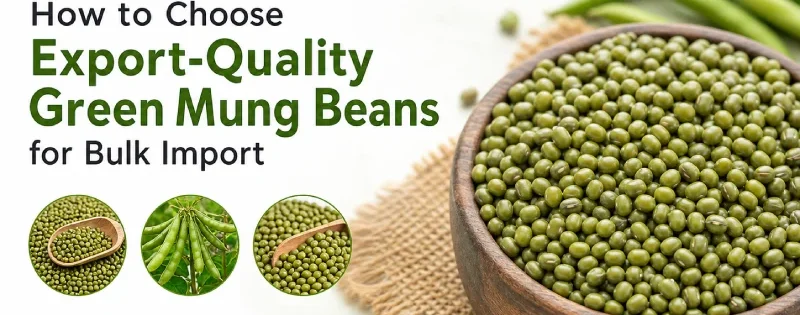
Color also provides valuable information. Fresh beans usually display a bright, vibrant green surface without fading or discoloration. Dull shades may suggest prolonged storage or improper handling before export.
The surface should appear smooth with minimal cracks or broken pieces. Excessive damaged grains reduce market value and increase waste during packaging or food production.
Cleanliness is equally important. Quality shipments contain very little dust, stones, husks, or other foreign materials because advanced cleaning equipment removes unwanted impurities before packing.
Moisture content deserves careful attention as well. Properly dried beans maintain their quality during long-distance transportation and reduce the risk of mold development inside shipping containers.
Evaluating Grading Standards Before You Buy
International buyers often compare suppliers based on price alone, but grading standards deserve equal attention.
Size Consistency
Professional exporters classify products according to clearly defined size specifications. Uniform beans improve visual appeal and create predictable cooking characteristics, especially for food processing companies.
Suppliers should explain their grading process and provide detailed specifications instead of offering vague descriptions like “good quality.”
Purity Levels
Purity refers to the percentage of actual mung beans compared to foreign matter or damaged grains.
Reputable exporters usually provide laboratory reports or inspection certificates that specify purity percentages, allowing buyers to compare suppliers using measurable quality standards rather than marketing claims.
Defect Tolerance
Every agricultural product contains a small percentage of natural defects. The important factor is whether those levels remain within internationally accepted export limits.
Reliable suppliers openly discuss acceptable tolerance levels for broken beans, immature grains, insect damage, and foreign materials before finalizing contracts.
Why Cleaning and Processing Standards Make a Difference
Modern processing facilities play a major role in determining final product quality.
After harvesting, beans pass through multiple cleaning stages designed to remove dust, stems, stones, immature seeds, and other contaminants. Advanced facilities often combine air separation, gravity tables, magnetic separators, color sorting machines, and polishing equipment to achieve consistent export standards.
Color sorting technology deserves particular attention because it removes damaged or discolored beans that manual inspection might overlook.
Well-maintained equipment also reduces contamination risks during processing. Buyers sourcing for food manufacturing should always ask about the machinery used throughout cleaning and grading operations.
Processing standards directly influence shelf life, appearance, and customer satisfaction after import.
Storage Conditions Can Protect or Destroy Quality
Excellent harvesting and cleaning practices lose their value if storage conditions are poorly managed.
Warehouses should remain dry, clean, and properly ventilated to prevent moisture accumulation. Excess humidity encourages mold growth and insect activity, reducing both safety and commercial value.
Palletized storage helps protect bags from direct floor contact, while organized inventory rotation ensures older stock ships before newer arrivals.
Temperature control becomes especially important in regions with high seasonal humidity. Responsible exporters monitor storage conditions continuously to maintain product integrity before container loading.
Importers should not hesitate to request photographs or videos of warehouse facilities when evaluating new suppliers.
Packaging Should Support Long-Distance Shipping
International transportation places significant stress on agricultural products.
Strong packaging protects beans from moisture, tearing, contamination, and handling damage throughout the shipping journey.
High-quality export bags should resist punctures while allowing efficient stacking inside containers. Clearly printed labels improve traceability and simplify customs documentation.
Many buyers also request customized packaging that includes private branding, multilingual labels, or specific weight requirements depending on destination market regulations.
Packaging quality should receive the same attention as the product itself because damaged bags often lead to financial losses even when the beans inside meet quality standards.
Choosing the Right Premium Pulses Exporter
Finding the right supplier involves much more than comparing quotations.
A trusted Premium Pulses Exporter demonstrates consistency across every stage of the supply chain, from sourcing and cleaning to documentation and shipping.
Experience in international trade matters because export procedures differ across countries. Suppliers familiar with destination market requirements can prepare accurate documentation and reduce customs delays.
Transparent communication also builds confidence. Reliable exporters answer technical questions clearly, provide detailed product specifications, and share inspection reports without hesitation.
Production capacity should match future business plans. Importers expecting regular shipments need suppliers capable of maintaining consistent quality throughout larger order volumes.
References from existing international customers provide valuable insight into delivery reliability, product consistency, and after-sales support.
Long-term partnerships often produce better results than switching suppliers based solely on small price differences.
Certifications and Documentation Every Importer Should Verify
Documentation protects both buyers and suppliers during international transactions.
Phytosanitary certificates confirm that shipments meet plant health requirements established by importing countries.
Certificates of origin verify where the beans were produced, supporting customs clearance and trade agreement eligibility.
Many buyers also request quality inspection reports issued before shipment. Independent inspection agencies help verify that products meet agreed specifications before containers leave the exporting country.
Food safety certifications demonstrate that processing facilities follow recognized quality management practices, offering additional confidence to international buyers.
Complete documentation speeds customs procedures while reducing unexpected delays at destination ports.
Sample Orders Reduce Purchasing Risk
Even experienced importers rarely commit to large contracts without evaluating samples.
Representative samples allow buyers to inspect size, color, cleanliness, moisture, and overall appearance before approving commercial orders.
Laboratory testing may also confirm purity levels and moisture percentages according to internal quality standards.
Cooking trials provide valuable information for food manufacturers, especially when consistency directly affects finished products.
Comparing samples from multiple suppliers creates a more objective purchasing decision than relying on product photographs alone.
Although sample evaluation requires additional time, it significantly reduces the possibility of expensive quality disputes after shipment.
Building Long-Term Supply Relationships
Successful international sourcing depends on stability rather than one-time transactions.
Suppliers who understand seasonal crop conditions can provide realistic production forecasts, helping buyers plan inventory throughout the year.
Regular communication also makes it easier to anticipate weather-related supply changes or market fluctuations before they affect purchasing decisions.
Long-term partnerships often result in better production scheduling, priority allocation during high-demand periods, and greater consistency across multiple shipments.
Trust develops gradually through reliable deliveries, transparent communication, and consistent product quality rather than promotional promises.
Businesses that invest in strong supplier relationships usually experience fewer disruptions and lower procurement costs over time.
Choosing export-grade Green Mung Beans requires careful evaluation of grading, cleanliness, storage, packaging, certifications, and supplier reliability. Each factor influences product performance after arrival, making quality assessment an essential part of every bulk purchase.
Working with an experienced Premium Pulses Exporter provides more than access to quality products. It creates a dependable supply chain supported by professional processing, transparent documentation, and consistent international delivery standards. Before confirming your next bulk order, request detailed specifications, inspect representative samples, and verify quality certifications. Those extra steps help protect your investment while building a stronger and more reliable sourcing strategy for years to come.