Basmati rice isn’t just any grain it’s the king of long-grain rice, prized for its nutty aroma, fluffy texture, and elegant elongation when cooked. India, particularly from the foothills of the Himalayas, produces over 70% of the world’s basmati. Indian Basmati rice exporters have turned this into a global empire, shipping millions of tons yearly to the Middle East, Europe, and beyond. But why do they rule the roost? Let’s unpack the reasons in straightforward terms.
The Unique Geography and Terroir of Indian Basmati
It starts with the land. Basmati thrives in the Indo-Gangetic plains of Punjab, Haryana, Uttar Pradesh, and Jammu & Kashmir. These areas get perfect conditions: cool nights, hot days, and fertile alluvial soil from rivers like the Yamuna and Sutlej. This terroir imparts basmati’s signature fragrance from 2-acetyl-1-pyrroline (2AP) compound 12 times higher than ordinary rice.
Pakistan grows some too, but India’s vast 1.5 million hectares dwarf their scale. Indian Basmati rice exporters leverage this edge, sourcing from GI-tagged regions like Dehradun or Amritsar for premium authenticity.
Superior Quality and Varieties
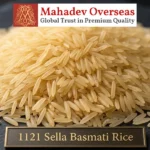
Indian basmati isn’t one-size-fits-all. Exporters offer 50+ varieties: Pusa Basmati 1121 (extra-long grains), 1509 (early maturing), and hybrids like 1718. Grains average 8.3mm length, swelling to 12-15mm when cooked no stickiness.
Rigorous grading ensures purity: 95%+ grain uniformity, low broken rates (<1%), and moisture under 14%. Indian Basmati rice exporters use modern mills for parboiling, polishing, and sorting, meeting ISO and HACCP standards. Taste tests confirm the buttery flavor that keeps buyers hooked.
Geographical Indication (GI) Protection
In 2019, India got GI status for “Basmati” from the EU, after years of disputes with Pakistan. This legal shield brands Indian basmati as authentic, blocking copycats. Indian Basmati rice exporters stamp GI tags, commanding 20-30% price premiums. It’s like Champagne – only from the right place.
Government Support and Policies
India’s government is all-in. The Agricultural and Processed Food Products Export Development Authority (APEDA) promotes basmati via subsidies, trade fairs, and labs. Minimum Support Prices (MSP) stabilize farmer incomes, ensuring steady supply.
Export incentives like RoDTEP refunds cut costs. Phased GI implementation eases compliance. Indian Basmati rice exporters benefit from free trade agreements (FTAs) with UAE, Australia, and upcoming ones with UK/EU, slashing tariffs.
Advanced Farming and Sustainability Practices
Indian farmers blend tradition with tech. Direct Seeded Rice (DSR) saves water by 30%, laser land leveling boosts yields to 4-5 tons/hectare. Organic and SRI (System of Rice Intensification) methods cater to eco-buyers.
Indian Basmati rice exporters push traceability via blockchain, from farm to fork. Pesticide Residue Monitoring System (PRMS) tests 100% exports, ensuring zero violations. Sustainable certifications like Rainforest Alliance appeal to green markets.
Massive Scale and Infrastructure
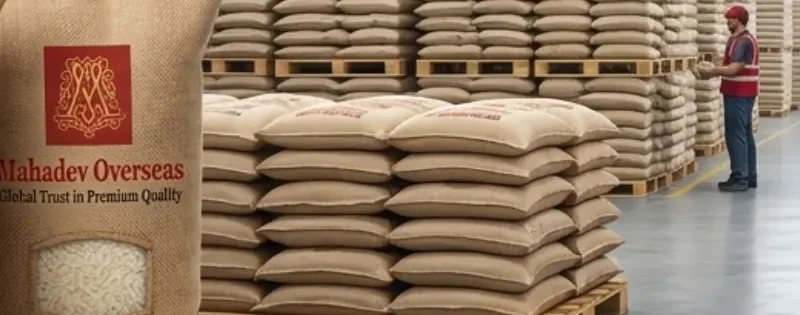
India exports 4-5 million tons annually, vs. Pakistan’s 1 million. Dehradun, Karnal, and Ludhiana host mega-mills processing 1000+ tons daily. Cold storage chains prevent quality loss.
Indian Basmati rice exporters like KRBL (India Gate) and LT Foods (Daawat) have global footprints with warehouses in Dubai, London. This scale means competitive pricing: $1.1-1.5/kg FOB, undercutting rivals.
Innovation in Processing and Packaging
Exporters invest in R&D. Steam parboiling retains nutrients (vitamins B, E), enhancing shelf life to 18 months. Vacuum packing and nitrogen flushing keep aroma intact during sea voyages.
Fortified basmati with vitamins targets health trends. Indian Basmati rice exporters offer ready-to-cook pouches, biryani mixes, and gluten-free labels for millennials.
Strong Global Brand and Marketing
“Basmati” screams India. Exporters run campaigns at Gulfood, SIAL, and Anuga, with chef demos and sensory labs. Bollywood tie-ups and influencer collabs build buzz.
In the Middle East (60% market), it’s a staple for Ramadan. Europe loves it for pilafs; US for ethnic groceries. Indian Basmati rice exporters tailor packs 5kg for homes, 50kg bulk for hotels.
Reliable Supply Chain and Logistics
India’s 13 major ports (Mundra, JNPT) handle massive volumes efficiently. Containerization and reefer ships ensure 14-21 day deliveries. Digital platforms like ICEGATE speed customs.
Indian Basmati rice exporters use futures trading on NCDEX for price hedging, shielding against volatility. COVID disruptions? They pivoted to air freight and diversified routes.
Competitive Pricing and Value Addition
High yields (thanks to hybrids) keep costs low. Exporters add value via aging (6-12 months for premium aroma) and blending for consistency. Private labels for Carrefour, Tesco boost volumes.
Despite duties, Indian basmati underprices premium imports, offering best quality-price ratio.
Challenges and How Exporters Overcome Them
Water scarcity? Drip irrigation and crop diversification. Climate change? Heat-tolerant seeds like DRR Dhan 45.
Pakistan’s competition? India’s volume and GI win. Adulteration? DNA fingerprinting verifies purity.
Indian Basmati rice exporters lobby for policies, invest in farmer training via FPOs (Farmer Producer Organizations).
Market Trends Favoring India
Global rice demand hits 500 million tons; premium segment grows 5% yearly. Health halo (low GI, aromatic) fits keto, diabetic diets. E-commerce booms post-pandemic.
Halal certification opens Muslim markets. Indian Basmati rice exporters eye Africa, Southeast Asia next.
Future Outlook: Continued Dominance
By 2030, exports could touch 7 million tons with new FTAs and tech like drone farming. Sustainability focus will lock premium niches.
Indian Basmati rice exporters dominate through unmatched quality, scale, innovation, and savvy policies. From Himalayan fields to global tables, they’ve built an unbeatable ecosystem. As tastes evolve, India’s basmati will keep leading fragrant, fluffy, and forever in demand.