In the global rice market, basmati rice stands out for its aromatic fragrance, long slender grains, and superior taste. Originating from the foothills of the Himalayas, basmati rice is a premium product that commands high demand worldwide. If you’re a buyer, distributor, or retailer looking to source top-quality basmati, selecting the right basmati rice exporter India is crucial. With India being the world’s largest producer and exporter of basmati rice, partnering with a reliable basmati rice exporter India ensures consistent supply, quality assurance, and competitive pricing. This comprehensive guide will walk you through the key factors to consider when choosing the best basmati rice exporter India, helping you avoid common pitfalls and secure the finest grains for your business.
Understanding the Importance of a Reliable Basmati Rice Exporter
Basmati rice isn’t just any rice it’s a Geographical Indication (GI) protected product under Indian law, meaning authentic basmati must come from specific regions in India and Pakistan. As an Indian rice exporter, the supplier must adhere to strict standards set by bodies like the Agricultural and Processed Food Products Export Development Authority (APEDA). Choosing a top basmati rice exporter India means gaining access to varieties like Pusa Basmati 1121, 1509, and Traditional Basmati, known for their exceptional elongation, non-stickiness, and nutty flavour.
Poor choices can lead to issues like subpar quality, delayed shipments, or contamination risks. A reputable wholesale basmati rice supplier or rice exporter from India mitigates these by offering traceability from farm to fork. According to recent export data from the Indian government, basmati exports reached over 4.5 million metric tons in 2023, with India holding 70% market share. Partnering with a premium basmati rice exporter positions your business in this lucrative $5 billion industry.
Key Certifications and Quality Standards
The first step in selecting a basmati rice exporter India is verifying certifications. Look for APEDA registration, which is mandatory for all Indian rice exporters. This ensures compliance with international phytosanitary standards. Essential certifications include:
ISO 22000 or HACCP: For food safety management.
Organic Certifications (NPOP, USDA Organic): If you’re targeting health-conscious markets.
FSSAI License: India’s food safety authority stamp.
Halal and Kosher: Crucial for Middle Eastern and Jewish markets.
A genuine premium basmati rice exporter will provide lab test reports for pesticide residues, heavy metals, and moisture content (ideally under 14%). Grain quality metrics matter: broken grains should be less than 2%, and elongation ratio above 1.8. Reputable long grain rice suppliers share milling reports from labs like those accredited by NABL (National Accreditation Board for Testing and Calibration Laboratories).
Pro Tip: Request sample batches from your potential basmati rice exporter India. Test for aroma (2-acetyl-1-pyrroline compound), cooking time (under 10 minutes), and post-cook grain separation.
Experience and Track Record in the Industry
Opt for an Indian rice exporter with at least 10-15 years of experience. Established players like those in Karnal, Haryana the basmati hub have deep knowledge of seasonal variations and crop yields. Check their export history via platforms like IndiaMART, TradeIndia, or the APEDA exporter directory.
Review client testimonials and case studies. A top wholesale basmati rice supplier will have served major markets like Saudi Arabia, UAE, USA, and Europe. Look for repeat businessover 80% client retention is a green flag. Avoid newcomers; the basmati market’s volatility (e.g., due to weather or trade policies) favours seasoned rice exporters from India.
Product Range and Variety Options
As a premium basmati rice exporter, they should provide options like white, brown, sella (parboiled), and organic basmati. Long grain rice suppliers catering to wholesale needs also offer packaging in 5kg, 10kg, 20kg, 25kg, or 50kg PP/jute bags, plus private labelling.
Customization is key specify polishing levels (double/triple), sorting (sortex/color sortex), and moisture specs. A versatile basmati rice exporter India adapts to your needs, from super basmati to aged rice (1-2 years for enhanced flavour).
Pricing, MOQ, and Cost-Effectiveness
Pricing fluctuates with harvests (October-March season), but expect $1.1-$1.5/kg for standard 1121 and up to $2/kg for premium organic. Beware of unrealistically low quotes from dubious Indian rice exporters they often compromise on quality.
Evaluate total cost: FOB/CIF pricing, payment terms (LC, TT), and MOQ (typically 12-24 MT per 20ft container). Top wholesale basmati rice suppliers offer tiered pricing for bulk orders and long-term contracts to hedge against price volatility. Factor in logistics proximity to ports like Mundra or Kandla reduces costs.
Logistics, Shipping, and Supply Chain Reliability
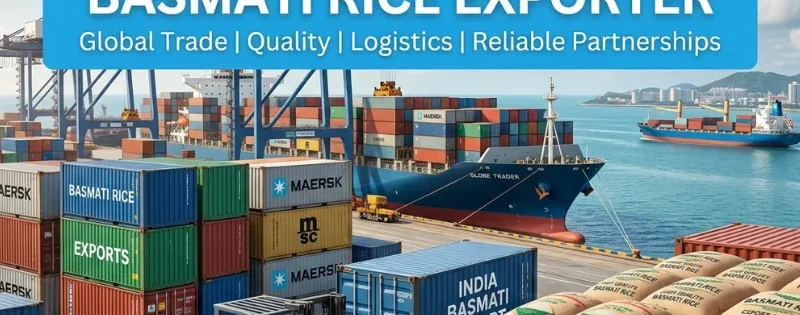
Reliability defines a rice exporter from India. Check their shipping partners (Maersk, MSC) and average lead times (15-30 days to Middle East, 30-45 to USA). They should provide real-time tracking via Bill of Lading (B/L) and ensure fumigation certificates.
Sustainability matters: Opt for exporters using eco-friendly milling and low-emission transport. A premium basmati rice exporter invests in cold storage to preserve aroma during transit.
Customer Service and After-Sales Support
Beyond products, evaluate communication. Responsive basmati rice exporter India teams offer 24/7 WhatsApp/email support, video factory tours, and dedicated account managers. They handle documentation seamlessly commercial invoices, certificates of origin, and phytosanitary certificates.
Post-sale, they should replace defective batches and provide market insights (e.g., trends in non-GMO basmati).
Conducting Due Diligence: Practical Steps
Online Research: Search “basmati rice exporter India” on Google, check APEDA portal, and verify GSTIN/PAN.
Site Visits: Inspect mills for hygiene, sorting machines, and storage silos.
Third-Party Audits: Use SGS or Bureau Verities for independent verification.
References: Contact 5-10 past clients.
Contracts: Include clauses for quality penalties, force majeure, and arbitration (under Indian law).
Red Flags to Avoid
Steer clear of exporters lacking transparency, with frequent stock outs, or poor reviews on platforms like Alibaba. Unverified organic claims or mismatched samples signal fraud.
Top Benefits of Partnering with the Right Exporter
Choosing a stellar basmati rice exporter India yields:
Quality Consistency: Uniform grains boost your brand.
Competitive Edge: Access to exclusive varieties.
Scalability: Seamless scaling for growing demand.
Profit Margins: 20-30% better than generic suppliers.
Emerging Trends in Basmati Export
Sustainability drives the future look for long grain rice suppliers offering carbon-neutral rice or block chain traceability. Demand surges for gluten-free, diabetic-friendly brown basmati.
Selecting the best basmati rice exporter India transforms your sourcing strategy. Prioritize certified, experienced Indian rice exporters who excel as wholesale basmati rice suppliers, rice exporters from India, premium basmati rice exporters, and long grain rice suppliers. Conduct thorough due diligence, test samples, and build long-term relationships. With India’s basmati prowess, your business can thrive in global markets. Start by shortlisting 3-5 exporters today your next order of premium 1121 awaits!